Best Art Museums in Wisconsin: A Curator's Guide to the State's Top Collections
The words "Wisconsin" and "world-class art museum" don't automatically appear together in most people's minds. They should. The state is home to several institutions that would be celebrated landmarks if they existed in New York or Los Angeles — and because they exist in the Midwest, you can actually experience them without fighting crowds.
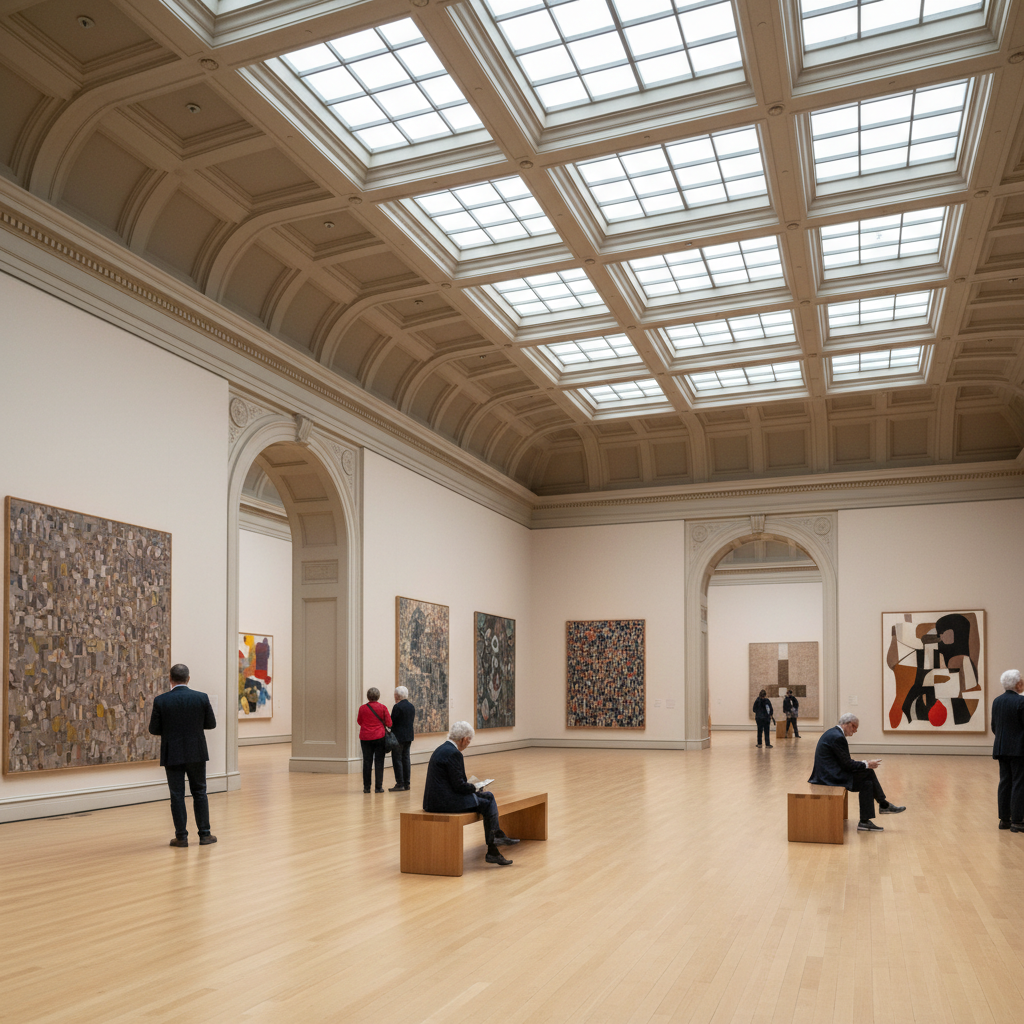
This guide covers the major art museums worth a dedicated visit, the hidden gems that reward the curious, and practical information to help you plan an art-focused Wisconsin itinerary.
Milwaukee Art Museum: The Icon
No conversation about Wisconsin art museums begins anywhere except the Milwaukee Art Museum (MAM). The institution houses over 30,000 works spanning ancient Egyptian artifacts to contemporary American painting — a collection that would be impressive at any address. But the MAM's building elevates it to a different category entirely.
The Calatrava Wing
Spanish architect Santiago Calatrava's Quadracci Pavilion, completed in 2001, is genuinely one of the most beautiful buildings in the United States. Its brise soleil — a pair of movable steel fins that span 217 feet and open each morning like the wings of an enormous white bird — has become the defining image of Milwaukee's skyline.
The interior is as remarkable as the exterior. Natural light floods the main hall through a massive glass ceiling, creating a gallery experience that feels both grand and intimate. Standing inside on a clear winter morning, with Lake Michigan visible through the windows and light refracting through the structure, is an experience that justifies the trip from anywhere.
The Collections
Beyond the architecture, the MAM's holdings reward deep exploration:
- German Expressionism: One of the strongest collections outside Germany, with works by Ernst Ludwig Kirchner, Franz Marc, and Max Beckmann
- American decorative arts: An exceptional collection spanning colonial silverwork to mid-century modernism
- Haitian art: A significant and rarely highlighted collection that reflects Milwaukee's Caribbean diaspora communities
- Photography: Contemporary and historical works that are often overlooked in favor of the painting galleries
Chazen Museum of Art (Madison)
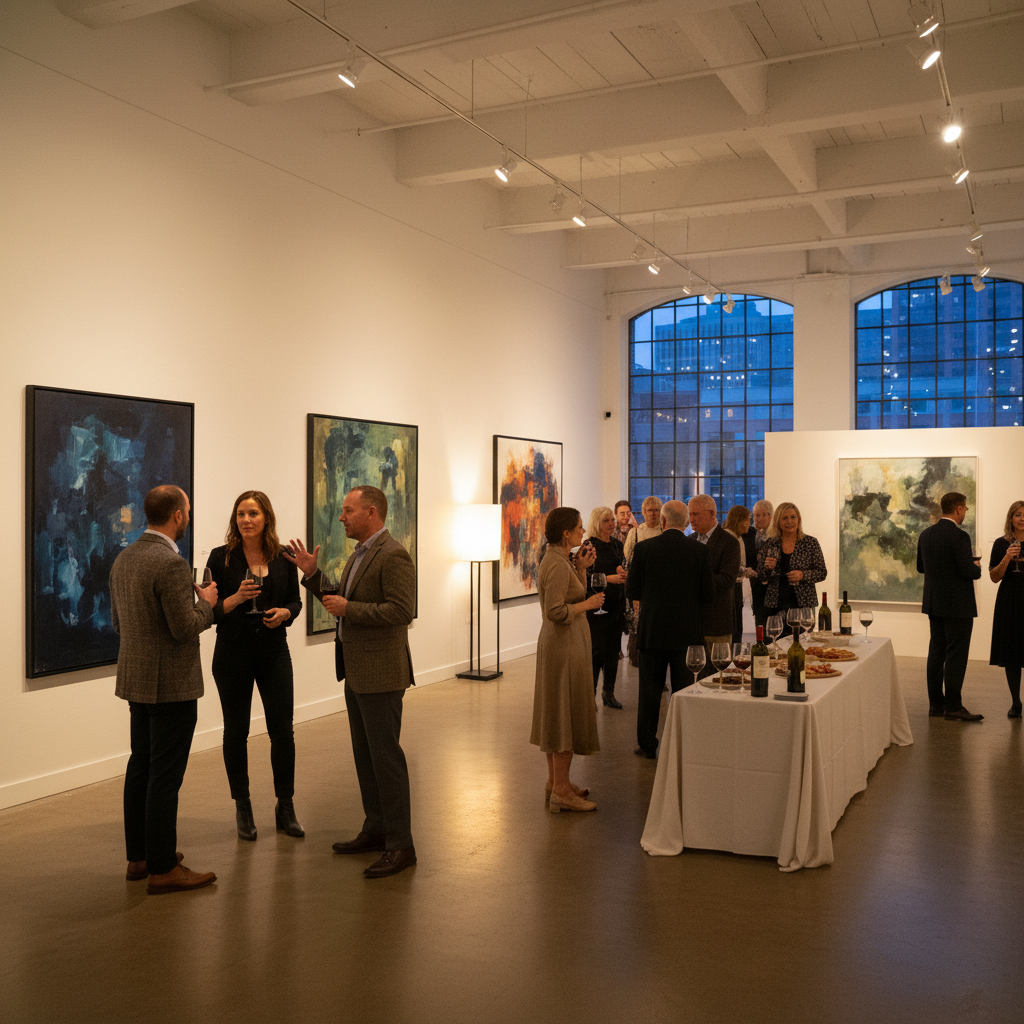
The University of Wisconsin-Madison's art museum is one of the largest university art museums in the country, yet it somehow maintains the approachable feel of a campus gallery rather than an institutional behemoth.
The Chazen's collection of over 22,000 objects ranges from ancient coins to video installation. Its particular strengths:
- Prints and drawings: A world-class collection that includes works by Rembrandt, Goya, and Picasso
- Southeast Asian art: An exceptional collection that reflects Wisconsin's significant Hmong and Vietnamese communities
- Contemporary works: Regular acquisitions that keep the collection in active dialogue with living artists
Admission is free, which is both a democratic statement and a practical advantage for art lovers who want to visit multiple times and linger.
Planning Your Chazen Visit
The museum is open Tuesday through Sunday. Thursday evenings feature extended hours and often include programming — lectures, performances, and receptions — that provide context for the collection. The on-site café is better than you'd expect and overlooks a sculpture garden that's worth exploring on its own.
John Michael Kohler Arts Center (Sheboygan)
If you visit one Wisconsin museum that isn't the MAM, make it the John Michael Kohler Arts Center. Founded by Ruth DeYoung Kohler II in 1967, this Sheboygan institution has built a reputation for championing unconventional and outsider art that major metropolitan institutions routinely overlook.
Arts/Industry Program
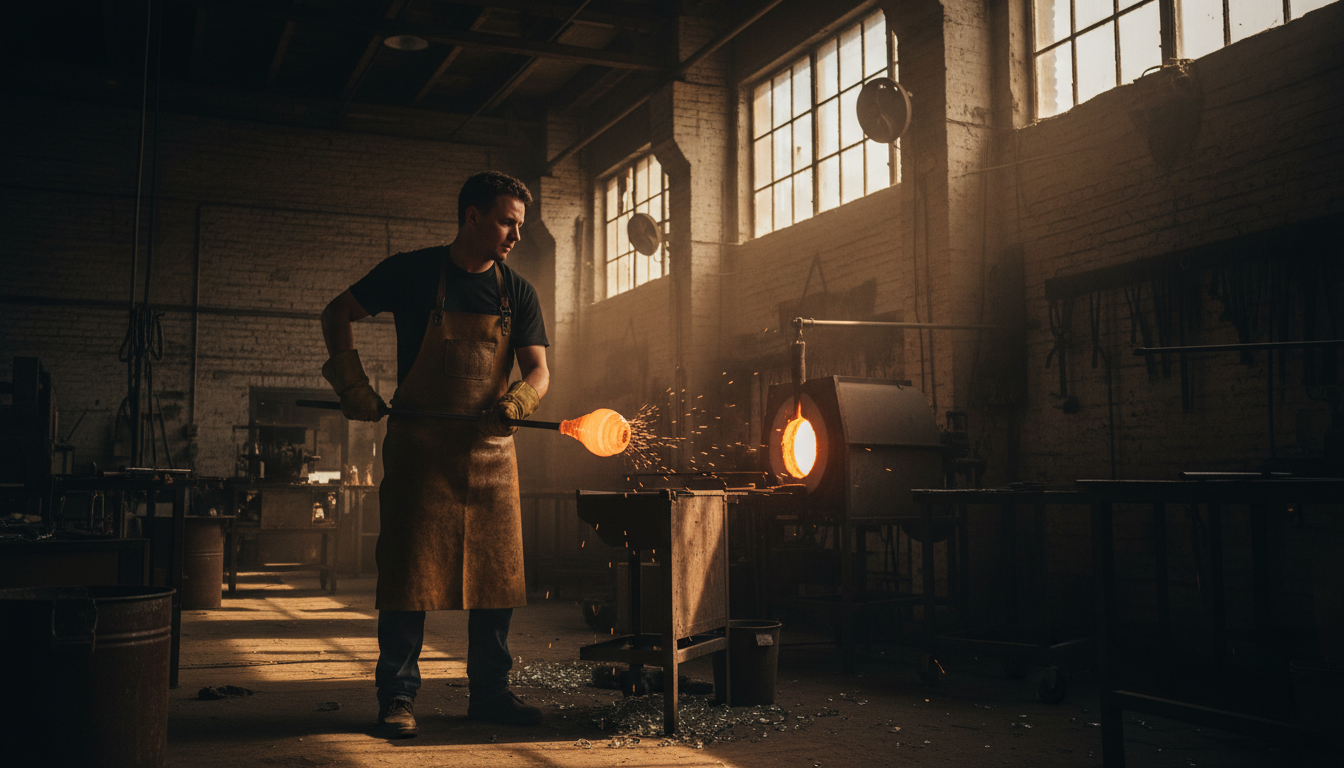
The museum's most singular distinction is its Arts/Industry Program, which places professional artists in residence at the Kohler Company's manufacturing facilities. The resulting works — sculptures, ceramics, and installations created using industrial casting, enameling, and glassblowing techniques — are unlike anything produced in a conventional studio environment.
The permanent collection houses dozens of monumental works produced through this program over five decades, including large-scale installations by artists who are now internationally recognized.
Leigh Yawkey Woodson Art Museum (Wausau)
This may be Wisconsin's most specialized major museum, and its specificity is precisely its strength. The Woodson Art Museum focuses on art that explores the natural world — birds, wildlife, landscapes — and does so with a collection and programming depth that makes it the undisputed world leader in its niche.
The annual Birds in Art exhibition, held every September, has been running since 1976 and attracts artists and collectors from around the globe. If your interests intersect art and natural history, this is a pilgrimage destination.
Smaller Museums and Collections Worth Visiting
Neville Public Museum (Green Bay)
Green Bay's natural history and art museum covers a lot of ground, with collections ranging from prehistoric Wisconsin artifacts to 20th-century American paintings. The permanent installation "On the Edge of the Inland Sea" is an exceptional overview of the Great Lakes region's history and ecology.
Museum of Wisconsin Art (West Bend)
The MOWA focuses exclusively on Wisconsin-connected artists, creating a coherent picture of the state's visual art history from the 19th century to the present. Its collection includes significant works by Georgia O'Keeffe (who was born in Wisconsin), Carl von Marr, and dozens of contemporary Wisconsin artists.
Racine Art Museum
The RAM has one of the strongest craft collections in the country — ceramics, fiber arts, glass, and metalwork — with particular depth in American studio craft of the 1960s through 1990s. If you care about ceramics or glass, this is required viewing.
Planning a Wisconsin Art Museum Road Trip
The good news: Wisconsin's art museums are geographically logical for a multi-day road trip.
A practical two-day itinerary:
Day 1 — Milwaukee: Start at the MAM (half day minimum, full day is better). If time permits, explore Milwaukee's commercial galleries in the Third Ward neighborhood — several within walking distance of each other.
Day 2 — Madison and Beyond: Head to the Chazen in the morning. Drive 30 minutes to the Racine Art Museum if ceramics and craft are your focus, or continue north to Sheboygan for the Kohler Arts Center.
For the dedicated art traveler: Add a day for West Bend (Museum of Wisconsin Art) and another for Wausau (Woodson), and you have a genuinely comprehensive survey of Wisconsin's visual culture.
Frequently Asked Questions
Is the Milwaukee Art Museum worth visiting?
Absolutely. The Calatrava building alone justifies the visit. Budget at least three hours for the collection; the permanent galleries alone can occupy a full day for engaged viewers.
Which Wisconsin art museum has free admission?
The Chazen Museum of Art in Madison is free and open to the public. The Leigh Yawkey Woodson Art Museum in Wausau is also free. The Milwaukee Art Museum charges admission but offers free first Thursdays.
What is the most unique art museum in Wisconsin?
The John Michael Kohler Arts Center in Sheboygan, for its unique Arts/Industry residency program and its commitment to outsider and self-taught artists.
Are Wisconsin art museums suitable for children?
Yes — most Wisconsin art museums have robust family programming. The MAM's "Art for All" program and the Chazen's family gallery days are excellent starting points.
Conclusion
Wisconsin's art museum landscape rewards the curious traveler and the dedicated local equally. Whether you're planning a solo art pilgrimage or a family cultural weekend, the state's institutions offer genuine world-class experiences without the crowds and cost of coastal museum-going.
For more on Wisconsin's creative scene, explore our artist spotlights and coverage of upcoming gallery events.