Wisconsin Outdoor Adventures for the Art-Minded Traveler
The Midwest doesn't usually appear on lists of top outdoor destinations. The Rocky Mountain states capture that category, along with the Pacific Northwest and the desert Southwest. This is a failure of imagination on the part of the people making those lists.
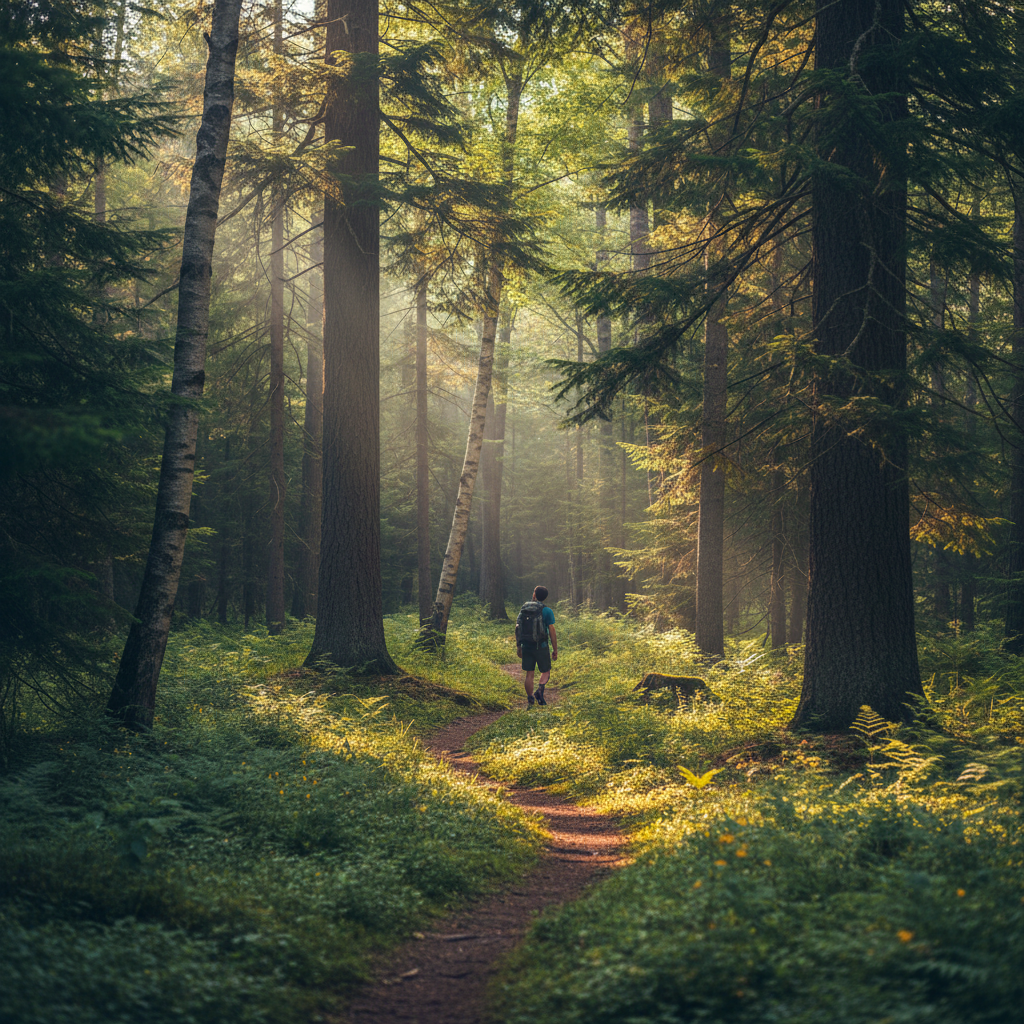
Wisconsin's landscape is extraordinary on its own terms: the primordial silence of the Northwoods, the geological drama of the Driftless region, the vast blue horizon of Lake Superior, the intimate beauty of the kettle moraine. These landscapes have been inspiring artists for over a century, and they continue to do so — creating a circuit of outdoor experiences that are, simultaneously, cultural experiences.
This guide focuses on Wisconsin outdoor experiences that connect directly to the state's creative traditions — places where the landscape and the art made from it are inseparable.
Sculpture Trails and Outdoor Art
New Visions Outdoor Sculpture Trail (Sheboygan)
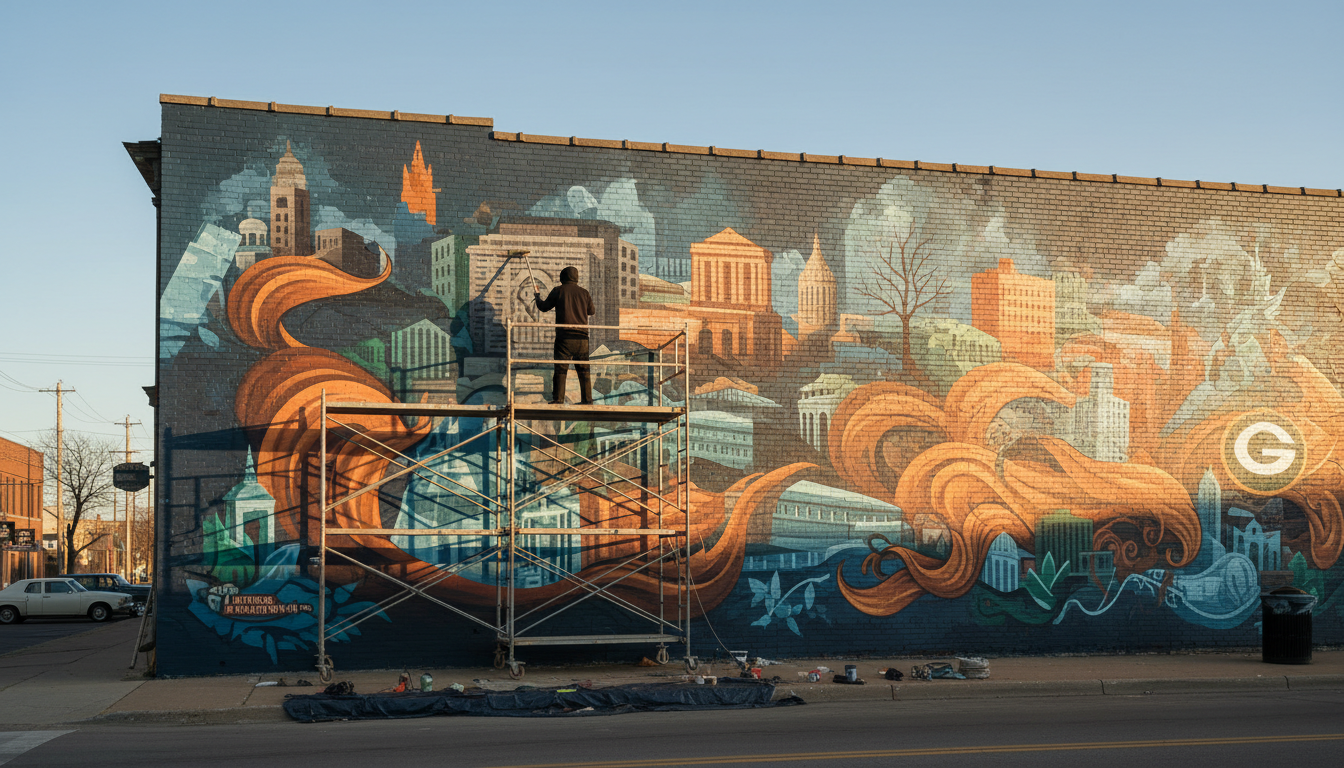
The John Michael Kohler Arts Center's outdoor sculpture program places monumental works throughout the Sheboygan waterfront and nearby parks. The trail changes regularly as residency artists produce new work, creating a permanent outdoor gallery that rewards return visits.
Governor Dodge State Park Plein Air Trail
The southwestern Wisconsin landscape around Governor Dodge State Park — sandstone bluffs, oak savannas, spring-fed streams — has been painted by regional artists for decades. The park maintains a series of designated plein air painting spots that match historical paintings from its own collection, allowing visitors to stand exactly where an artist stood and see what they saw.
Wausau's Sculptor's Workshop Grounds
The Leigh Yawkey Woodson Art Museum's campus includes outdoor sculpture installations that change annually. The September exhibition period, when indoor and outdoor galleries are at their fullest, is the best time to visit.
The Driftless Region: Landscape That Makes Artists
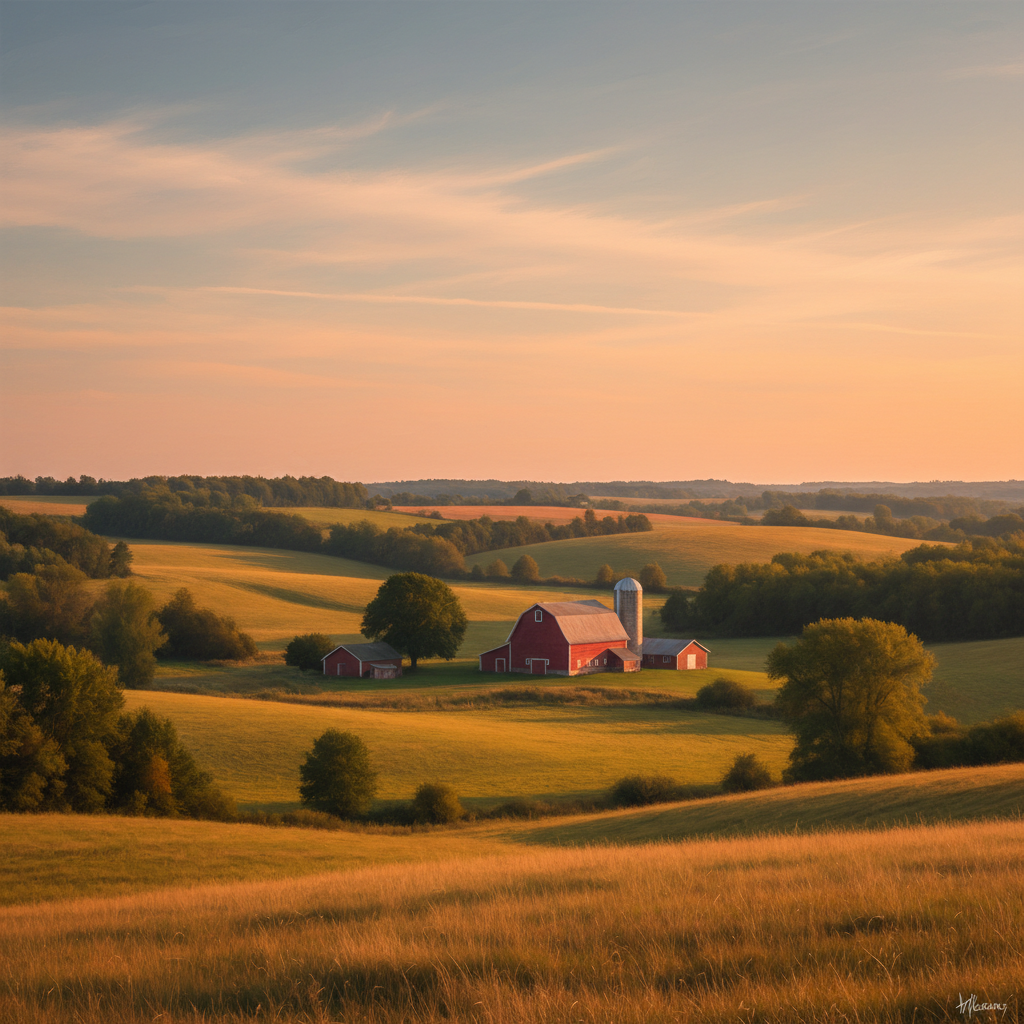
The Driftless Area — the section of Wisconsin, Iowa, Minnesota, and Illinois that was bypassed by the last glaciation — is unlike any other landscape in the Midwest. Unglaciated for tens of thousands of years, it preserved a topography of steep ridges, deep coulees, and spring-fed streams that elsewhere was flattened by advancing ice.
The result is a landscape of intimacy and surprise: you crest a ridge and find yourself looking down into a valley that seems removed from the 21st century. This quality — of discovery, of landscape that rewards attention — has made the Driftless region the most creatively productive landscape in Wisconsin.
Key Driftless Outdoor Experiences
Kickapoo Valley Reserve: 8,600 acres of protected land along the Kickapoo River, with 30 miles of trails through bottomland forests, oak prairies, and the river corridor. The cultural dimension: the reserve encompasses the territory of the Ho-Chunk Nation, whose relationship to this landscape informs the work of regional artists and writers.
Natural Bridge State Park: Wisconsin's largest natural arch — a 25-foot sandstone span — sits in a park of less than 60 acres, making it one of the most concentrated natural wonders in the state. The scale shift from the vast Northwoods to this intimate, human-sized wonder is itself an aesthetic experience.
Wildcat Mountain State Park: The Oliphant Unit of this park contains one of the best elevated views in southern Wisconsin: a wide-angle panorama of the Kickapoo Valley that has appeared in paintings, photographs, and illustrations for over a century.
The Northwoods: Art in the Forest
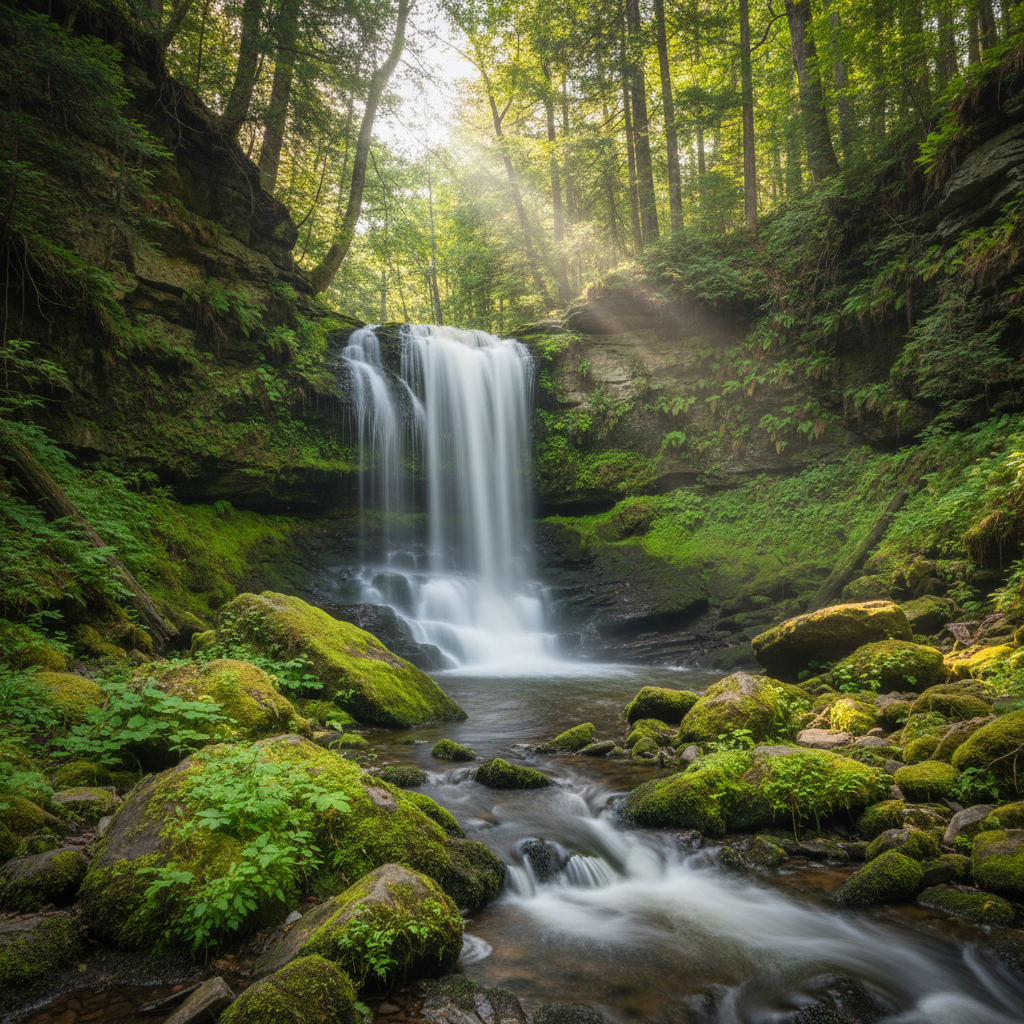
The Northwoods of Wisconsin — the vast mixed forest and lake country above the tension zone — produced a distinctive artistic tradition: the cabin aesthetic, the muskie painting, the birch bark canoe, the wildlife illustration. These traditions are still alive, and the landscape that produced them is still accessible.
Chequamegon-Nicolet National Forest
At 1.5 million acres, this is one of the largest national forests east of the Mississippi. The North Country National Scenic Trail passes through it, providing long-distance hiking access to forest, lake, and river landscapes that inspired generations of Wisconsin painters and writers.
The forest headquarters in Park Falls maintains a gallery of work by artists-in-residence who have worked in the forest through the USDA's Artists in Residence program.
Peshtigo River Wild Area
The Peshtigo River's undammed upper reaches provide the most technically challenging whitewater paddling in Wisconsin, through a forest corridor that has barely changed since the 19th century. The combination of physical engagement with an unaltered natural landscape produces the particular quality of attention that underlies serious nature-based art.
Rib Mountain State Park (Wausau)
The views from Rib Mountain — a quartzite monadnock that rises 700 feet above the surrounding plain — encompass a 50-mile panorama of central Wisconsin. The mountain's distinctive geology has made it a subject for artists and a landmark for regional identity. The park's proximity to the Woodson Art Museum makes a combined visit straightforward.
Lake Superior's South Shore
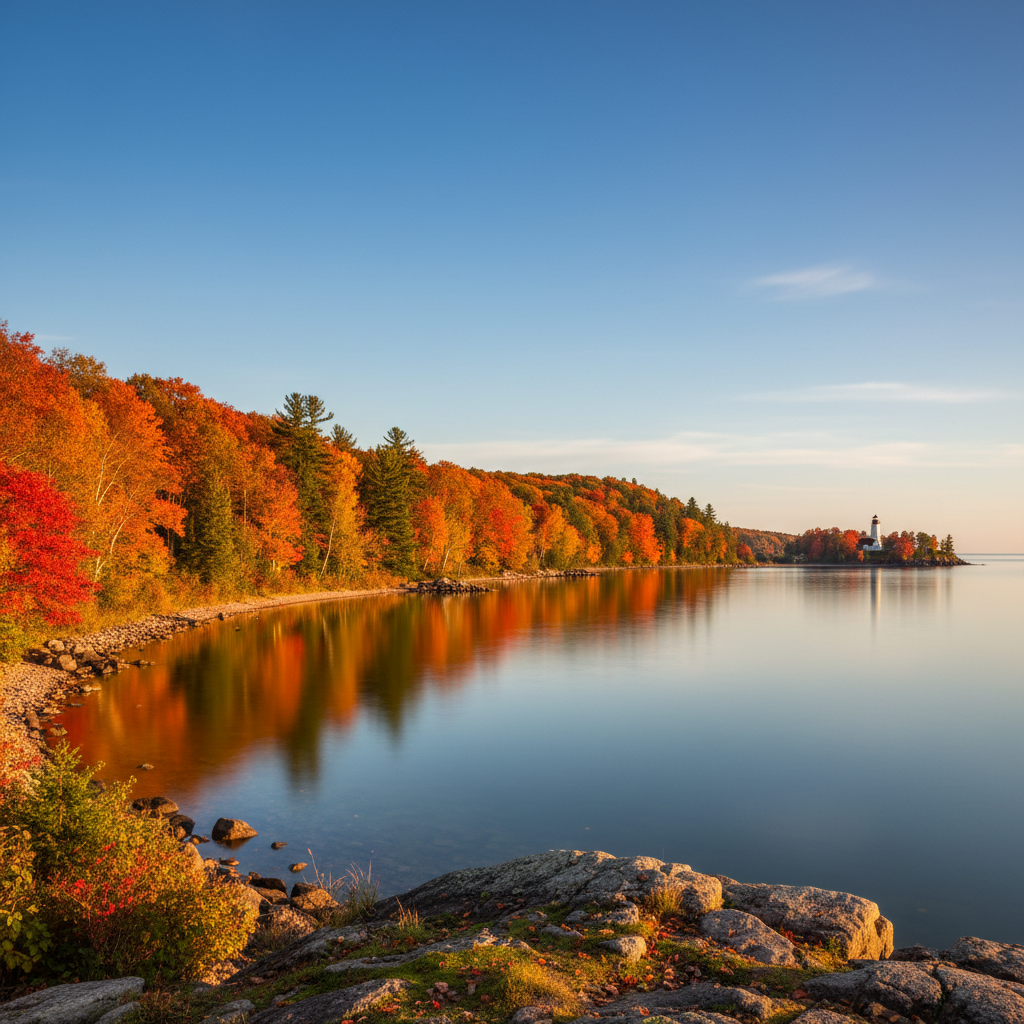
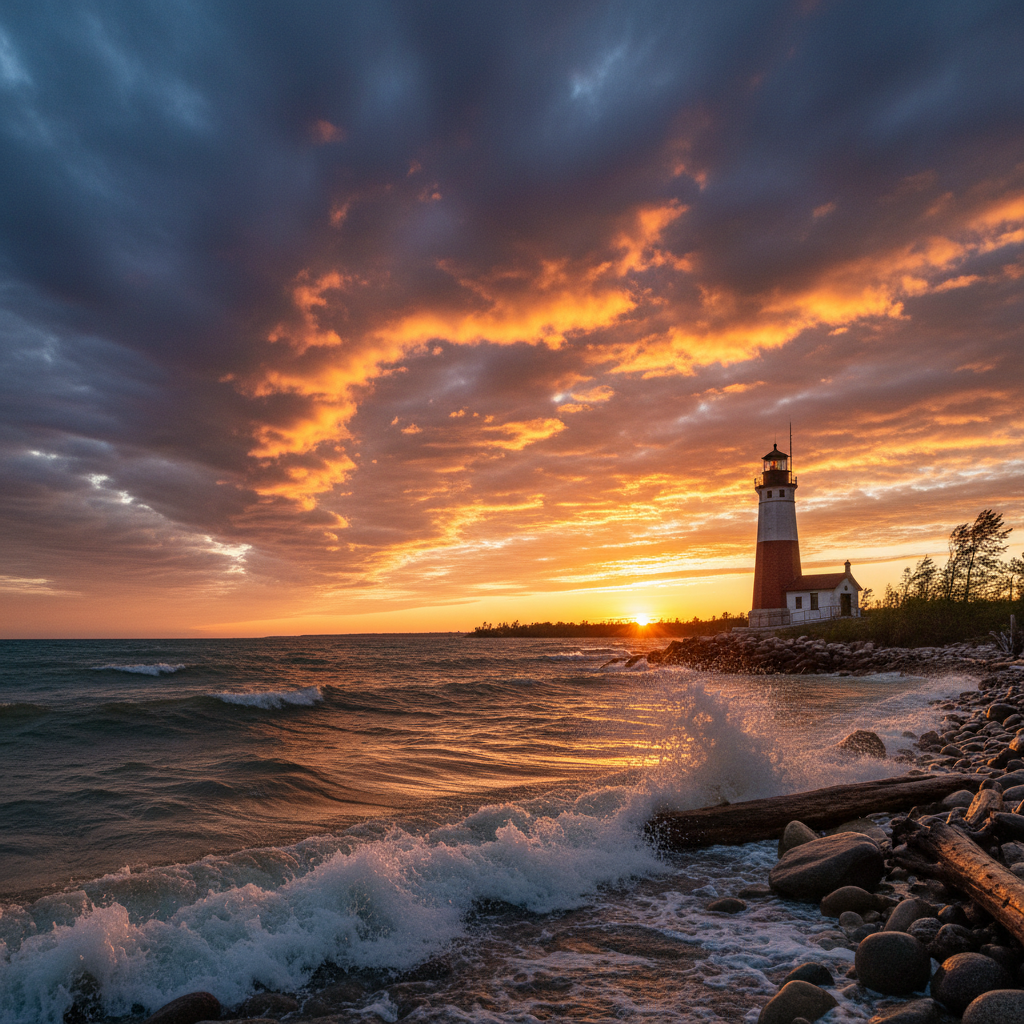
The Apostle Islands archipelago, scattered across Lake Superior off the coast of Bayfield County, constitutes one of the most extraordinary landscapes in the eastern United States: sea caves carved into red sandstone cliffs, pristine forests on car-free islands, and the visual drama of a freshwater sea that behaves like an ocean.
What to Do in the Apostle Islands
Kayaking the sea caves: The sandstone sea caves along the Mainland Unit of the Apostle Islands National Lakeshore are accessible by kayak from Meyer's Beach. In summer, guided tours make the caves accessible to paddlers without technical experience. In winter, when the caves freeze into elaborate ice formations, the hike across the frozen lake (weather permitting) is one of Wisconsin's most spectacular experiences.
Madeline Island: The only Apostle Island accessible by car ferry, Madeline Island has a year-round community and several institutions worth visiting: the Madeline Island Museum (Ojibwe and pioneer history), the Madeline Island School of the Arts (summer workshops in painting, writing, and ceramics), and Big Bay State Park (one of the best campgrounds in Wisconsin).
The Bayfield area: The small city of Bayfield — ferry terminal for Madeline Island — has a disproportionate number of excellent galleries, craft studios, and independent restaurants for its size. Plan to spend time here rather than rushing through to the ferry.
Plein Air Painting in Wisconsin: A Practical Guide
Plein air painting — painting outdoors, directly from observation — has a long tradition in Wisconsin, and the landscape rewards the practice. For artists and non-artists alike, understanding what painters find compelling about a landscape enriches the experience of moving through it.
Best Plein Air Locations
- Door County: The bay-to-lake light changes minute to minute in Door County, creating an inexhaustible source of painting subjects. Fish Creek and the views from Peninsula State Park's bluffs are the most documented locations.
- Wisconsin River Corridor: The sandstone formations along the lower Wisconsin River, between Prairie du Sac and the Mississippi, have been painted since the 19th century. The evening light is particularly extraordinary.
- Lake Pepin: The widening of the Mississippi at the Minnesota border creates a lake-like expanse with dramatic bluff views that inspired early American landscape painters.
Frequently Asked Questions
What are the best hiking trails in Wisconsin?
For scenery: Eagle Trail in Peninsula State Park. For wilderness immersion: North Country Trail through the Chequamegon-Nicolet. For geological drama: Ice Age Trail segments in the Kettle Moraine. For art-adjacent experience: Governor Dodge State Park's plein air trail.
When is the best time to experience Wisconsin's outdoors?
Late May through September for mild weather and full access. October for fall color (peak typically first two weeks of the month). February and March for ice cave access on Lake Superior and Apostle Islands (weather dependent).
Are there outdoor art installations in Wisconsin?
Yes — the John Michael Kohler Arts Center in Sheboygan maintains an outdoor sculpture trail. The Clearing Folk School in Door County incorporates art into its campus landscape. Several state parks have interpretive installations connecting natural and cultural history.
What makes Wisconsin's Driftless region special?
The Driftless region was bypassed by the last glaciation, preserving a landscape of ridges, valleys, and spring-fed streams that was flattened elsewhere by advancing ice. The result is the most topographically varied and artistically inspiring landscape in Wisconsin.
Conclusion
Wisconsin's outdoor landscape is not a backdrop for cultural life — it is the foundation on which the culture was built. The painters, sculptors, writers, and musicians whose work we celebrate at OnArtsBlock are, without exception, people shaped by this landscape. Understanding the landscape is, in a real sense, understanding the art.
For more on Wisconsin's creative community, explore our artist spotlights and events calendar. Our Door County guide covers the peninsula's outdoor and artistic highlights in depth.