How to Find and Support Emerging Artists in Your City
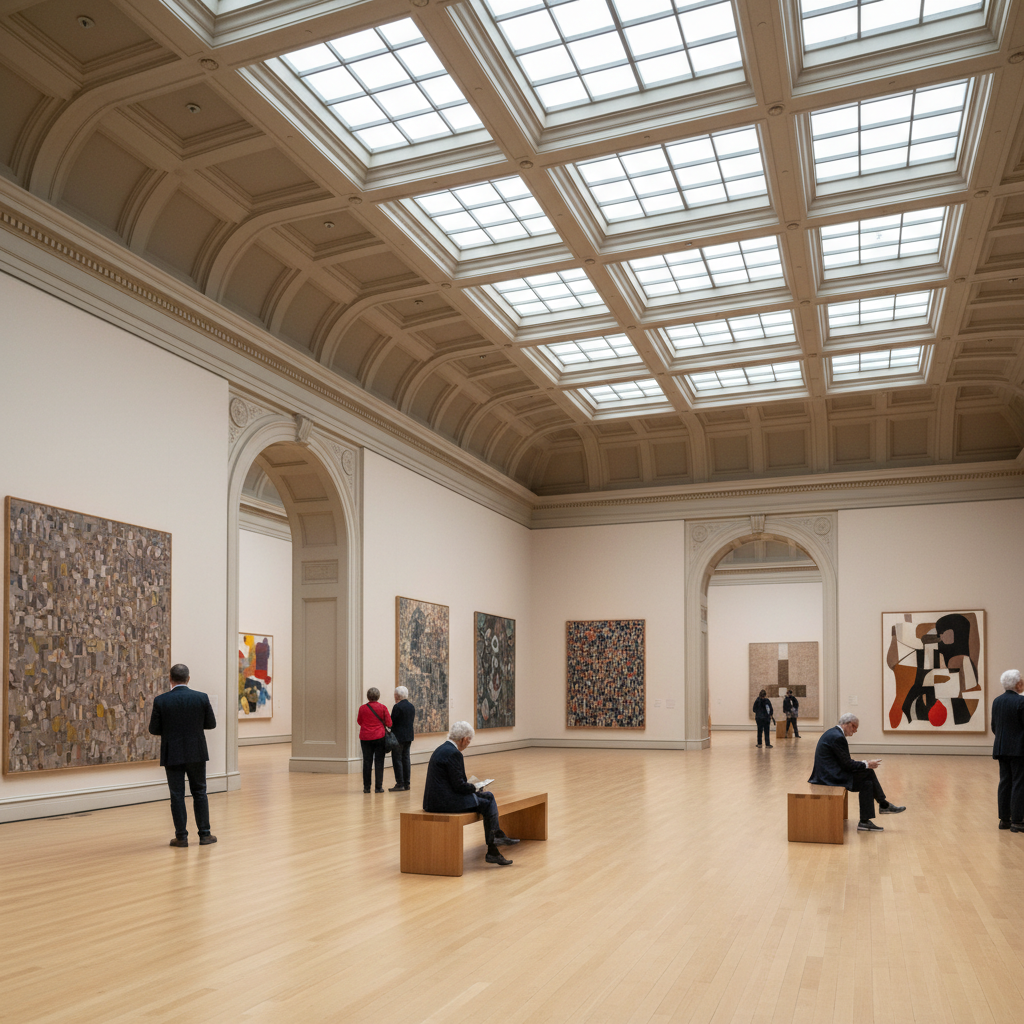
Every established artist was once an emerging artist. The difference between the ones who built careers and the ones who didn't rarely came down to talent. It came down to community — the people who showed up to early exhibitions, bought first pieces, shared the work with friends, and kept showing up as the work evolved.
This guide is for the person who wants to be part of that community — not as a passive consumer of culture, but as an active participant in the creative ecosystem that produces it.
What "Emerging" Actually Means
The term "emerging artist" is used loosely, but it typically refers to artists who are past their formal training, are actively developing and showing work, and don't yet have significant institutional representation or commercial success.
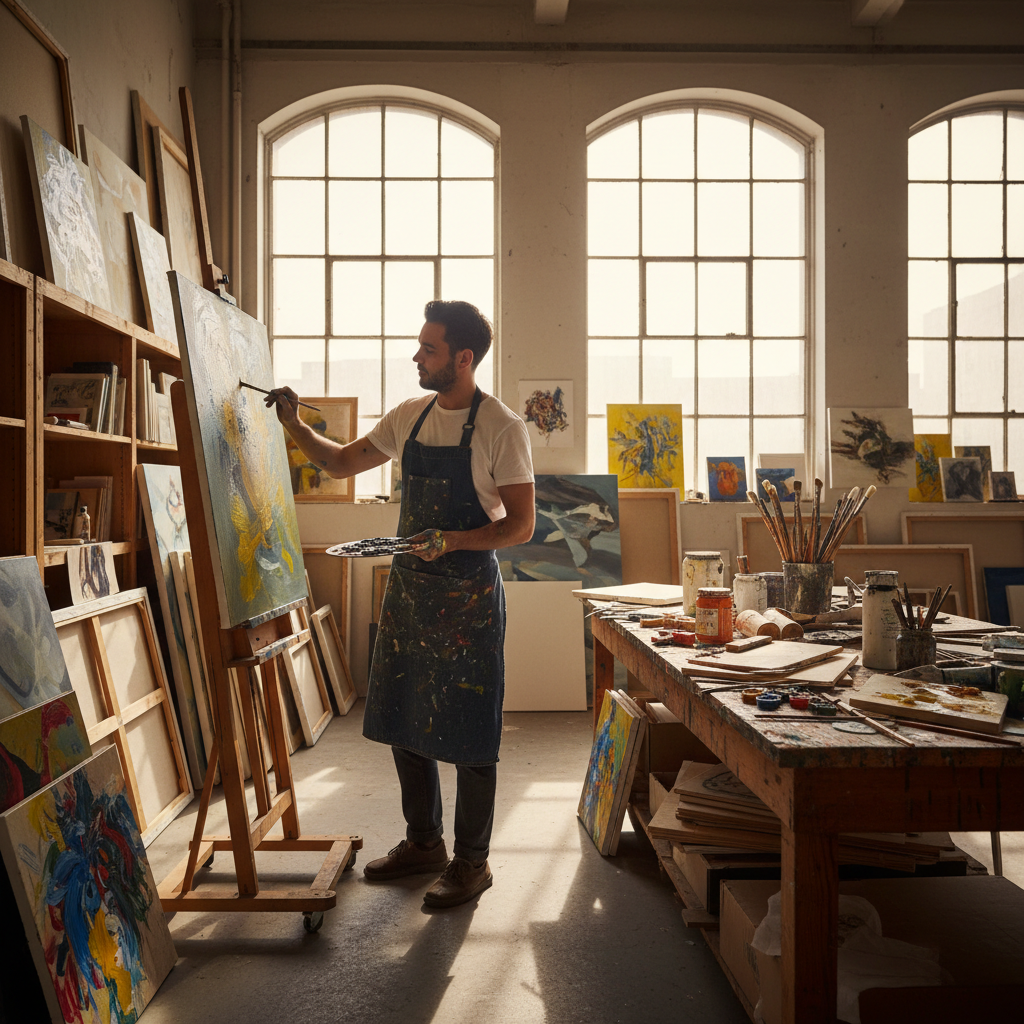
This can mean a 25-year-old MFA student showing in their first group exhibition. It can also mean a 45-year-old who left a corporate career to pursue painting full-time three years ago. The common thread is the combination of serious artistic commitment with the need for community support that more established careers have already secured.
For supporters, this ambiguity is useful: don't narrow your definition of "emerging" to recent graduates. Some of the most interesting emerging artists in any city are people whose careers developed outside the conventional path.
Where Emerging Artists Show: A City-by-City Guide
Milwaukee
Var Gallery: A collectively run exhibition space in Walker's Point that prioritizes challenging, experimental work by Milwaukee-based artists. The programming is uneven — collective galleries always are — but the highs are exceptional.
Portrait Society Gallery: One of Milwaukee's most respected commercial galleries for contemporary art, with a consistent commitment to work that's both intellectually serious and visually compelling.
MIAD Galleries: Milwaukee Institute of Art and Design runs multiple exhibition spaces that show both student and faculty work. The BFA and MFA thesis exhibitions are the most significant.
Madison
Madison Museum of Contemporary Art (MMoCA): The rooftop sculpture garden and main gallery spaces provide Madison artists with one of the best exhibition platforms in the state.
Union South Gallery and Memorial Union Galleries: The UW-Madison student union gallery system shows work from student artists and emerging professional artists in accessible, heavily trafficked spaces.
Tandem Press: The visiting artist program at Tandem regularly introduces emerging artists to Madison audiences through the printmaking residency process.
Chicago
The Chicago Artist Coalition: Provides studio space and exhibition opportunities to Chicago-based artists and maintains one of the most comprehensive databases of local artist resources.
Threewalls: A nonprofit artist organization that combines exhibition programming with artist residencies and publication. Represents some of the most serious experimental work being produced in the city.
Terrain Exhibitions: An outdoor sculpture and installation program in Oak Park that puts contemporary art directly into the public realm, outside the gallery system entirely.
Ways to Support Emerging Artists That Actually Matter
Buy Something — Even Something Small
The most direct support is the most obvious: buy work. This doesn't require a large budget. Many emerging artists sell prints, small works on paper, ceramics, and jewelry at price points accessible to anyone with discretionary income.
When you buy from an emerging artist:
- They receive money they can put directly back into their practice
- Their work enters circulation, where it can be seen and talked about
- They receive confirmation that their work communicates — which matters more than we tend to acknowledge
- You begin a relationship that may span decades
For guidance on what to buy and how to buy it, see our full guide to collecting Midwest art.
Show Up to Openings and Events
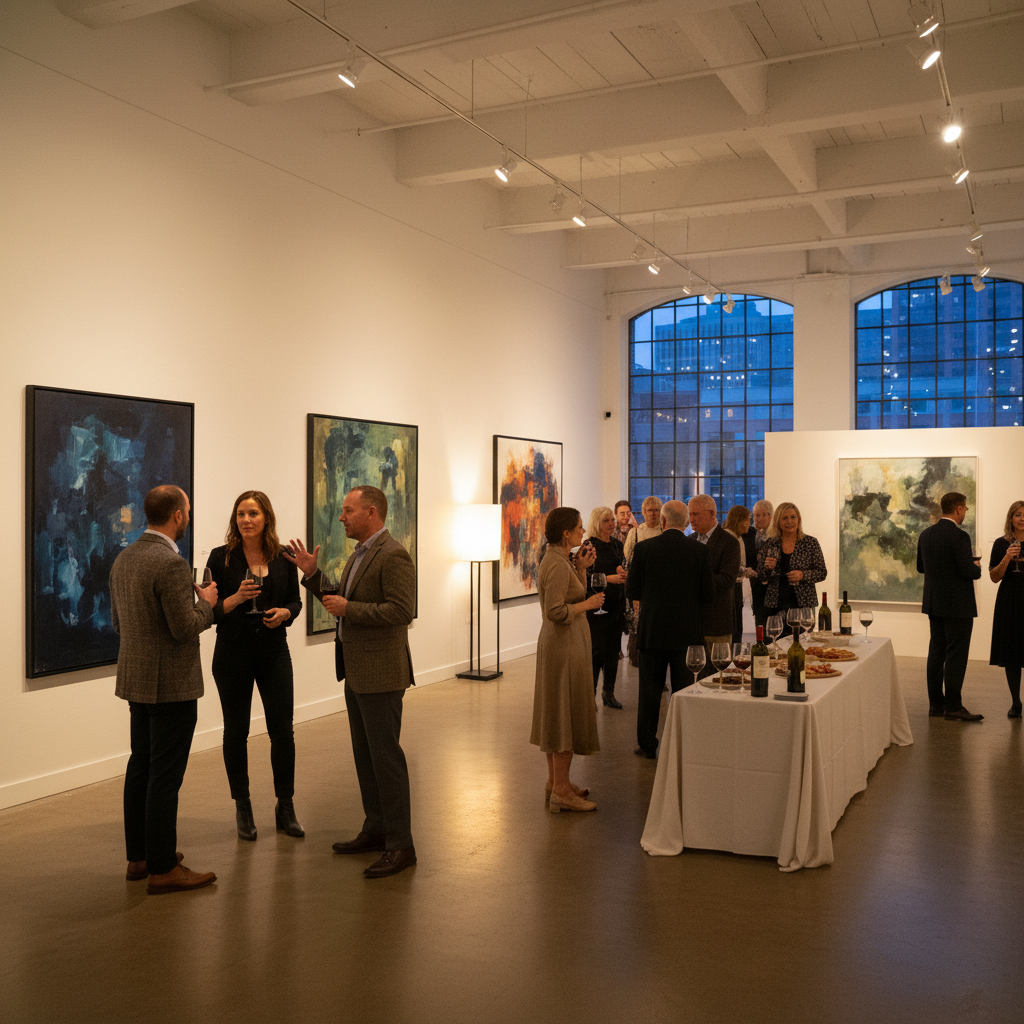
Attendance matters. When an emerging artist's opening is sparsely attended, it signals to gallerists, curators, and future reviewers that the work doesn't draw community. When it's full, the opposite signal is sent.
You don't have to buy anything to contribute through attendance. Show up, spend time genuinely looking at the work, and talk to the artist if the opportunity presents itself. Your presence — especially if you're visibly engaged with the work — is a form of endorsement.
Share the Work
Social media, for all its limitations, has genuinely democratized the discovery of emerging artists. A thoughtful Instagram post from a person with 400 followers can reach the right 400 people. Share work you care about, and do it with specificity — say something particular about why you find it compelling.
If you have a platform of any size — a newsletter, a blog, a podcast, a professional network — use it to amplify emerging artists. A recommendation from a respected voice carries weight that advertising cannot purchase.
Commission Work
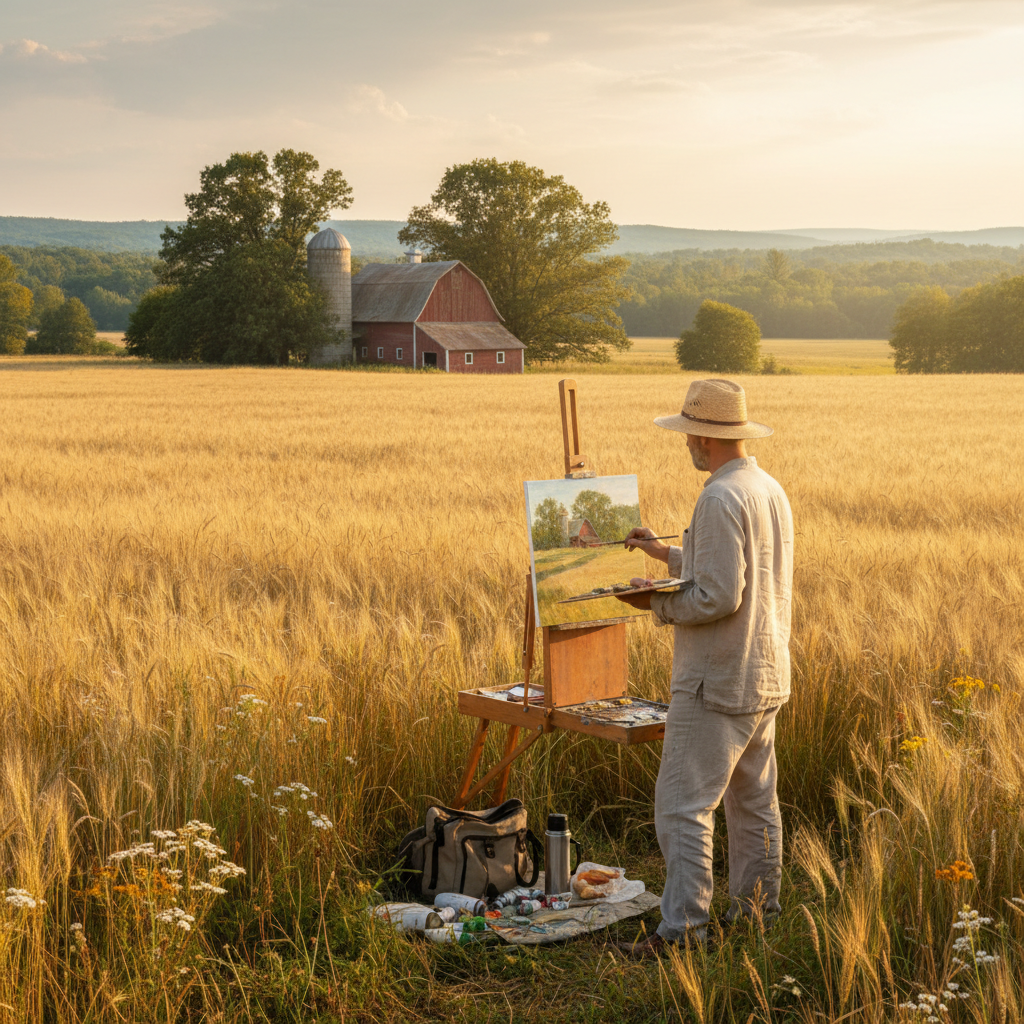
Commissions represent some of the most significant support an artist can receive: advance payment for work that doesn't yet exist, which provides financial stability and creative latitude simultaneously.
Commissions don't have to be elaborate. A portrait commission, a request for a specific print, a custom ceramic piece for a specific purpose — each of these provides an artist with income and the experience of working to a brief, which is a professional skill that gallery-only artists sometimes lack.
Connect Artists with Opportunities
Emerging artists often lack connections to the institutional opportunities — grants, residencies, exhibitions — that more established artists navigate routinely. If you know of an opportunity that suits an artist you admire, tell them about it. If you have a connection that could open a door, offer the introduction.
This costs nothing except attention and willingness. The impact can be career-defining.
Bring Friends to Exhibitions
The friend-to-friend recommendation is still the most reliable driver of arts attendance. When you find an exhibition worth seeing, bring people to it — not just invite them, but arrange a specific time and actually go together.
Being the person in your social circle who introduces others to meaningful art is a role that compounds: the more you do it, the more your recommendations are sought and trusted, and the more impact your advocacy has.
Understanding What Artists Need
Most emerging artists will tell you that what they need most is not money (though money matters) — it's sustained attention. They need people who follow their work over time, who notice when it changes and ask about those changes, who understand the context in which a particular piece was made.
This kind of attention is rare and valuable. It requires showing up repeatedly, developing genuine familiarity with an artist's concerns, and treating the work with the seriousness it deserves.
Frequently Asked Questions
How do I find out about emerging artists in my city?
Start with MFA thesis exhibitions at local art schools, follow local art critics and curators on social media, sign up for gallery mailing lists, and attend open studio events. These four activities will put you in contact with more emerging artists than you can meaningfully follow.
Is it okay to reach out to artists directly?
Yes — most emerging artists welcome direct contact from people who are genuinely interested in their work. Email is the least intrusive channel. Be specific about what you find compelling, and don't lead with requests.
What if I can't afford to buy art?
Attendance, sharing, written advocacy, and connections are all valuable forms of support that cost nothing. Many artists value a thoughtful, specific response to their work more than a modest sale.
How do I know which emerging artists are worth supporting?
Look for sustained commitment over time (not just one impressive piece), engagement with the critical discourse of their medium, and willingness to take risks in their work. Artists who are just producing technically competent sellable objects without deeper creative ambition are less interesting to support than those who are genuinely pushing into new territory.
Conclusion
The most valuable thing a community can offer its artists is sustained, genuine attention over time. Not just at the peak of career success, but throughout the uncertain years of development when continued practice requires more faith than evidence.
You don't need an arts background, a large budget, or a critical vocabulary to be this kind of supporter. You need curiosity, consistency, and the willingness to engage seriously with work that may challenge or confuse you.
Find emerging artists to support at our upcoming events calendar and explore our artist spotlight features.